Komunikat Lawinowy TOPR dla Tatr Polskich
Obowiązuje do: 13.04.2026 20:00
Stopień zagrożenia:

Zagrożenie określono jako: Niskie
Stopień zagrożenia nie powinien ulec zmianie


News
Wesprzyj tych, którzy niosą pomoc na Tatrach

Firma Castrol wspiera TOPR
85 rocznica śmierci generała Mariusza Zaruskiego
Święta Wielkanocne w Tatrach

Ciągle niebezpiecznie w Tatrach
Kandydaci na ratowników TOPR szkolą się na Kasprowym Wierchu.
Pracowity weekend ratowników TOPR
Podsumowanie działalności ratowniczej TOPR w ostatnim tygodniu
Śmiertelny wypadek w Tatrach
Dwie akcje ratunkowe w Tatrach Zachodnich

Dear Friends,
On behalf of TOPR Foundation we would like to extend our deepest gratitude for the trust and support you grant us.
We firmly believe that such a loyal group of friends will allow us to succeed in our tasks, and TOPR will continue to set the highest standards of training and mountain rescue in the world.
We strive to make you proud of us! Please remember that You are a part of our team – each instance of your assistance helps us to bring rescue to those in need in the Tatras!
Thank you, and see you in the mountains!
Board of TOPR Foundation
FAQ
TOPR relies on publicly available weather forecasts. We recommend using online weather services which provide forecasts for particular peaks and altitudes. Significant differences in wind and temperature in different altitude zones make it worthwhile.
Polish weather service IMGW provides such a specific forecast, it is available via our website: pogoda.topr.pl
If the assistance of mountain rescuers is needed, call: 985.
If the cell coverage is insufficient, try 112.
If there is no network coverage in the spot you are in, consider moving to an area where it may be available, i.e. near the ridge or a place it was available before.
If you are unable to use the mobile phone you may request help by sending a light or auditory (sound) signal “six times per minute”, i.e. every 10 seconds.
If assistance of rescuers is needed, please contact TOPR as soon as possible, preferably from the site of the accident.
Do not worry in advance what to tell the rescuers, the dispatcher will ask you for the most vital information.
The key information includes: location of the accident, what happened, the condition of the person(s) in need of help, what are the meteorological conditions on site.
If the caller is unable to precisely name the location of the accident, the dispatcher will provide assistance. Additionally, the dispatcher will ask for telephone numbers of other persons present at the site of accident, and will try to establish the equipment the persons in need possess or are in shortage of (e.g. headlamp, helmet, climbing harness, warm clothing, avalanche equipment).
The rescuers will do what they can to arrive as soon as possible, yet many factors can affect this. If unfavourable weather conditions, avalanche danger persist or the time of the day precludes the use of helicopter the wait for help may be prolonged and reach up to several hours.
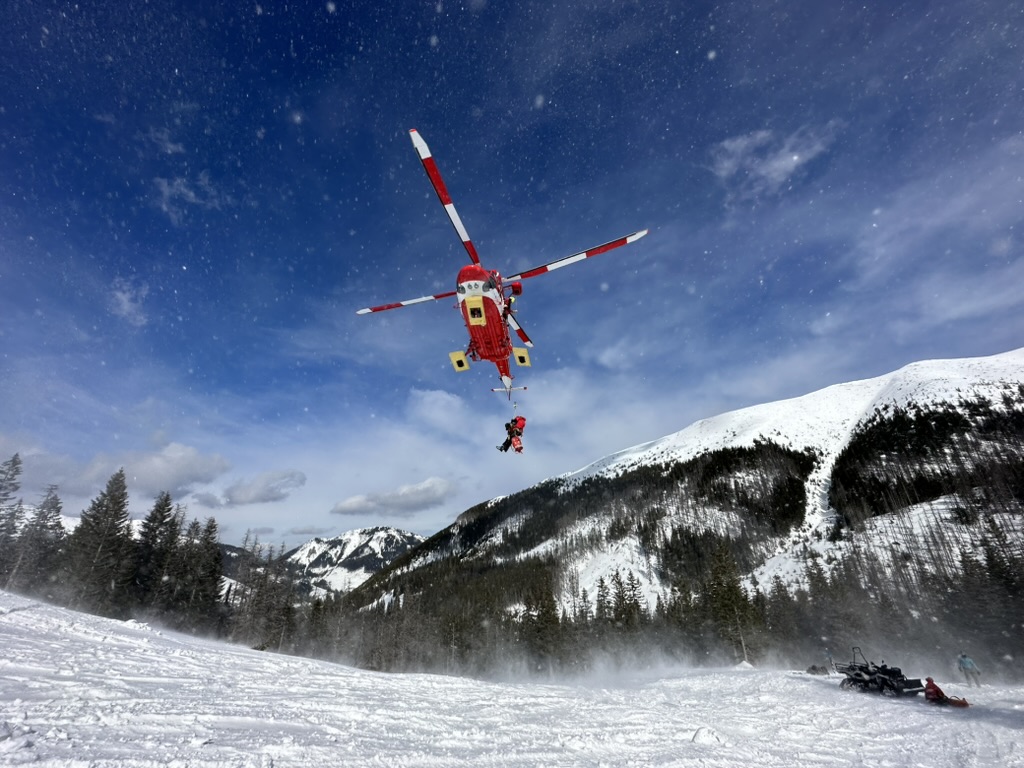
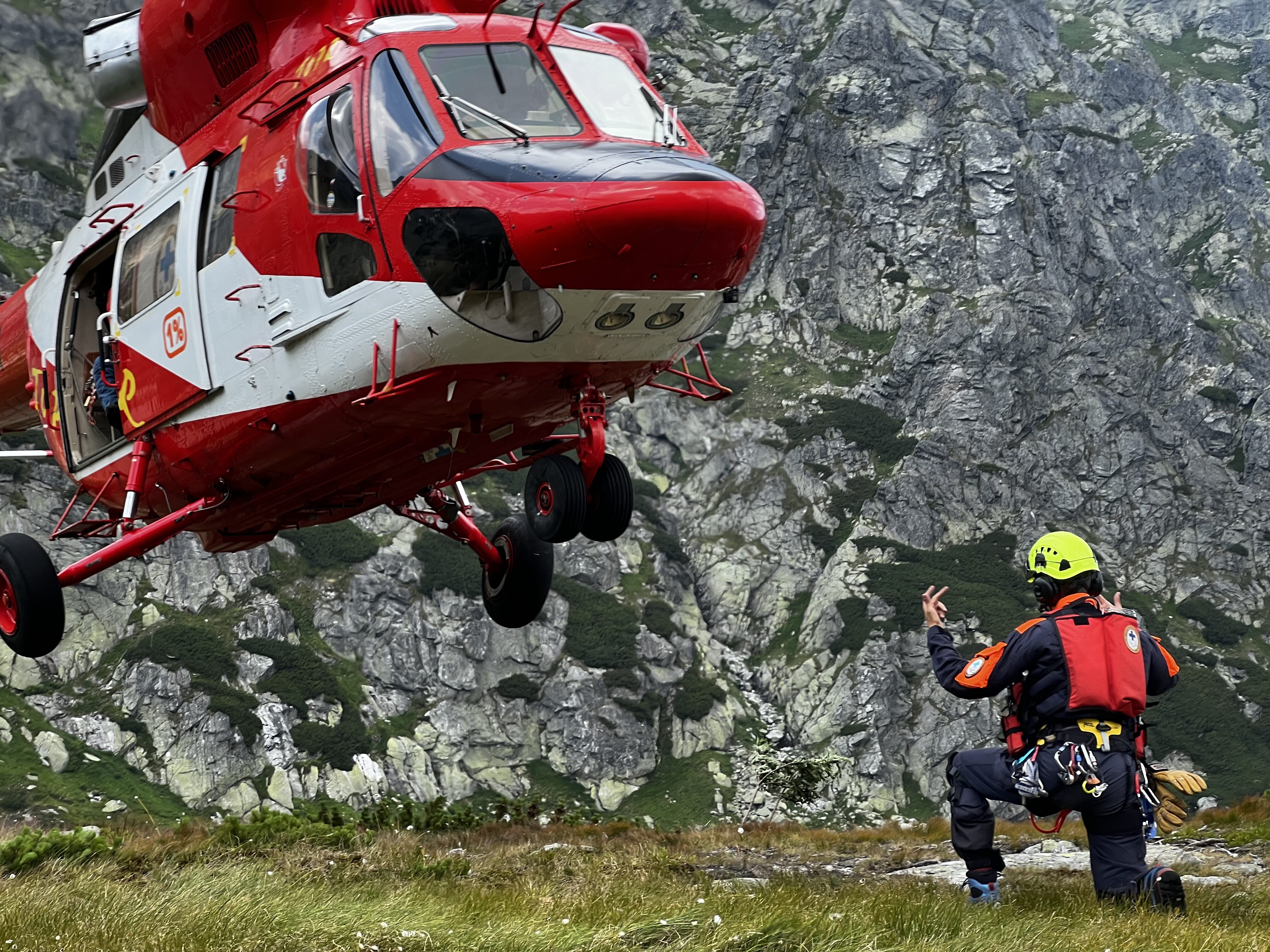
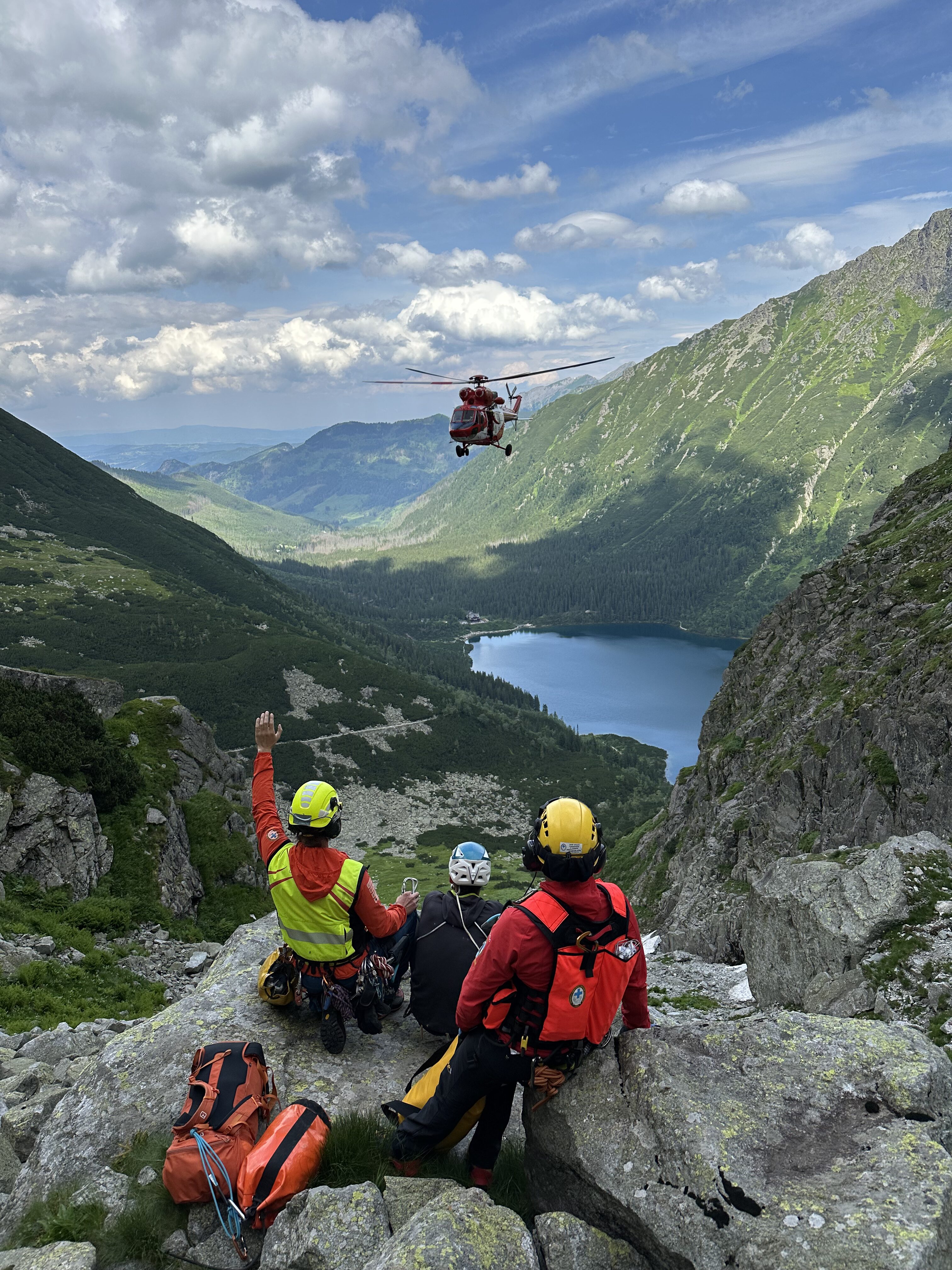
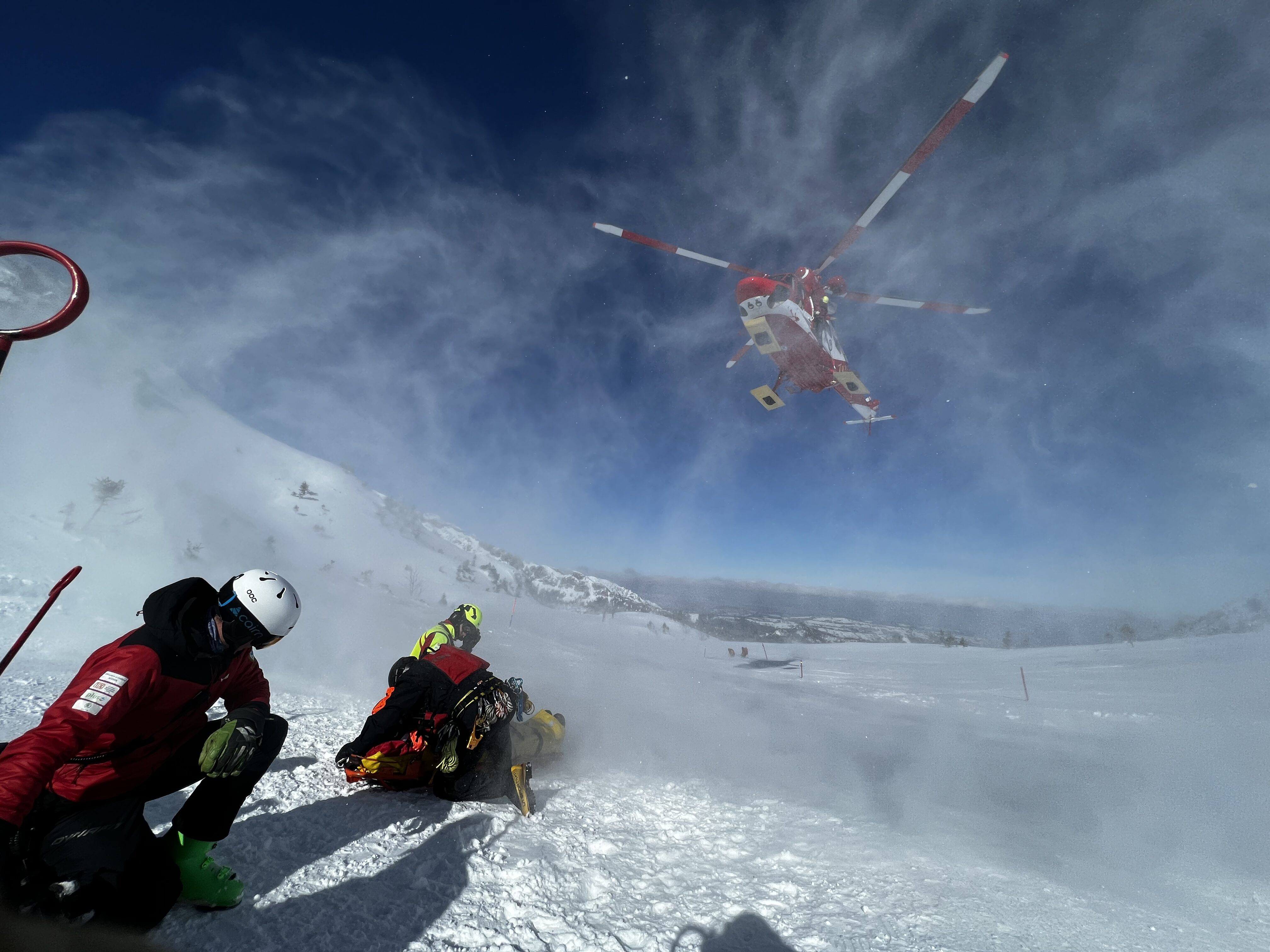
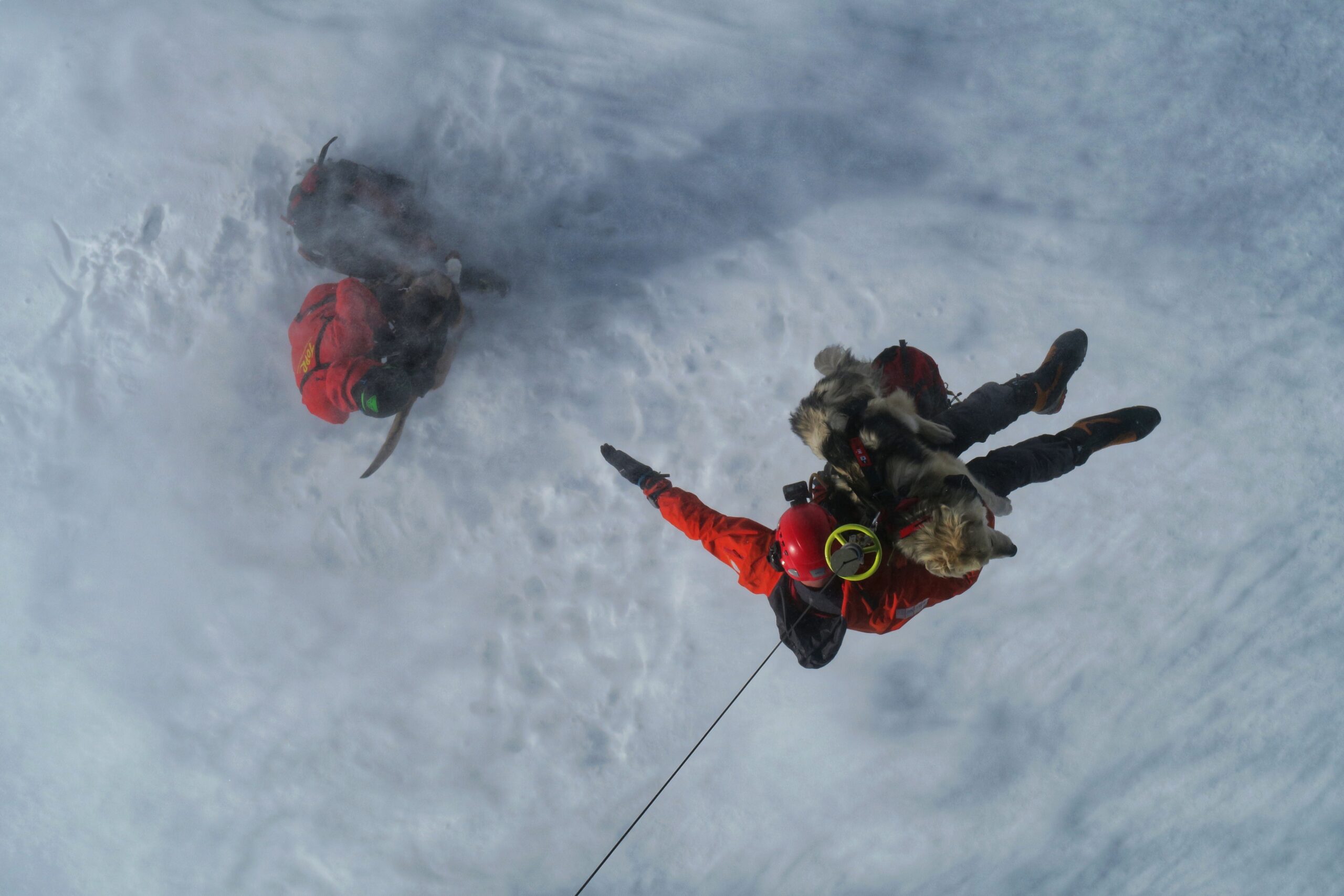
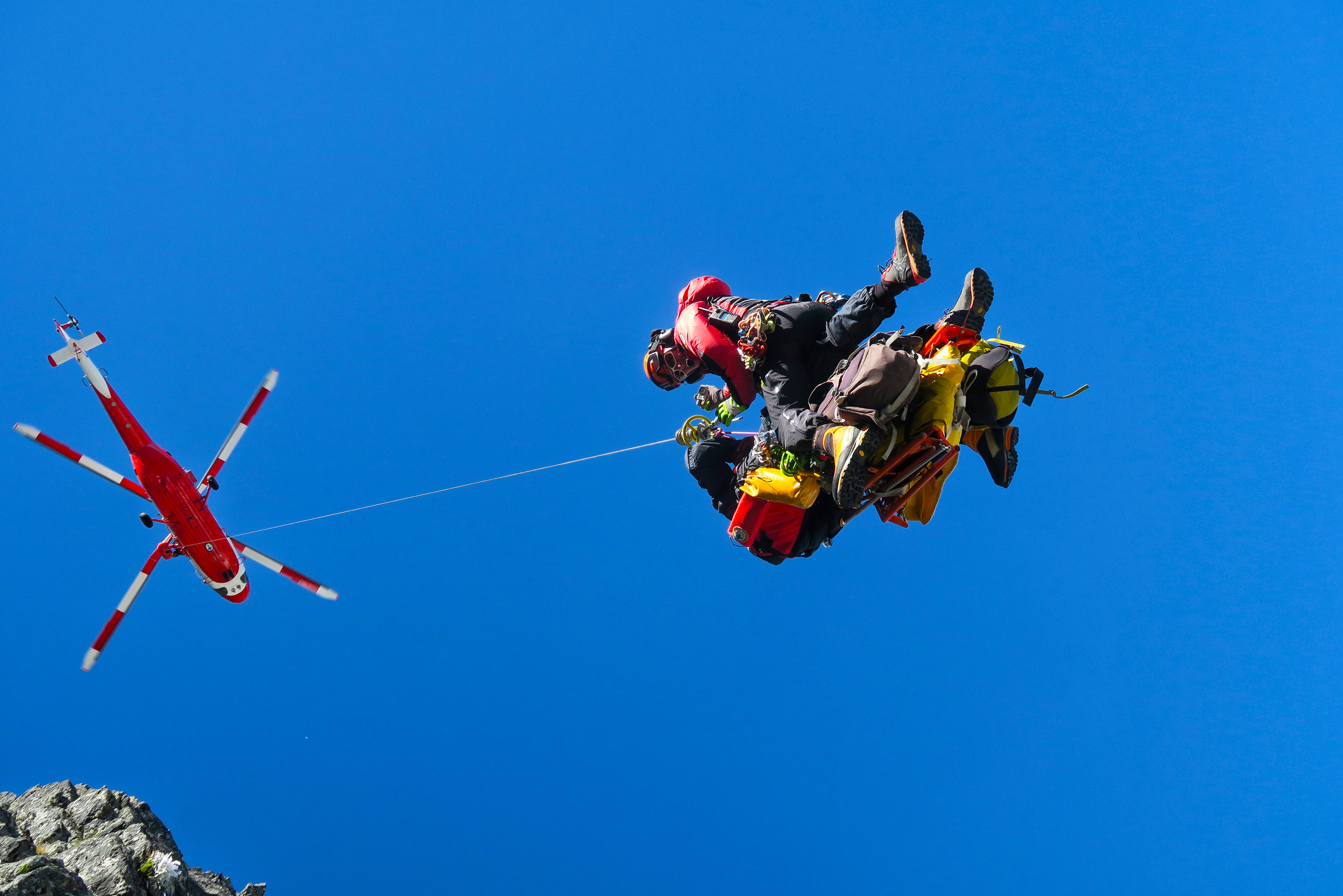
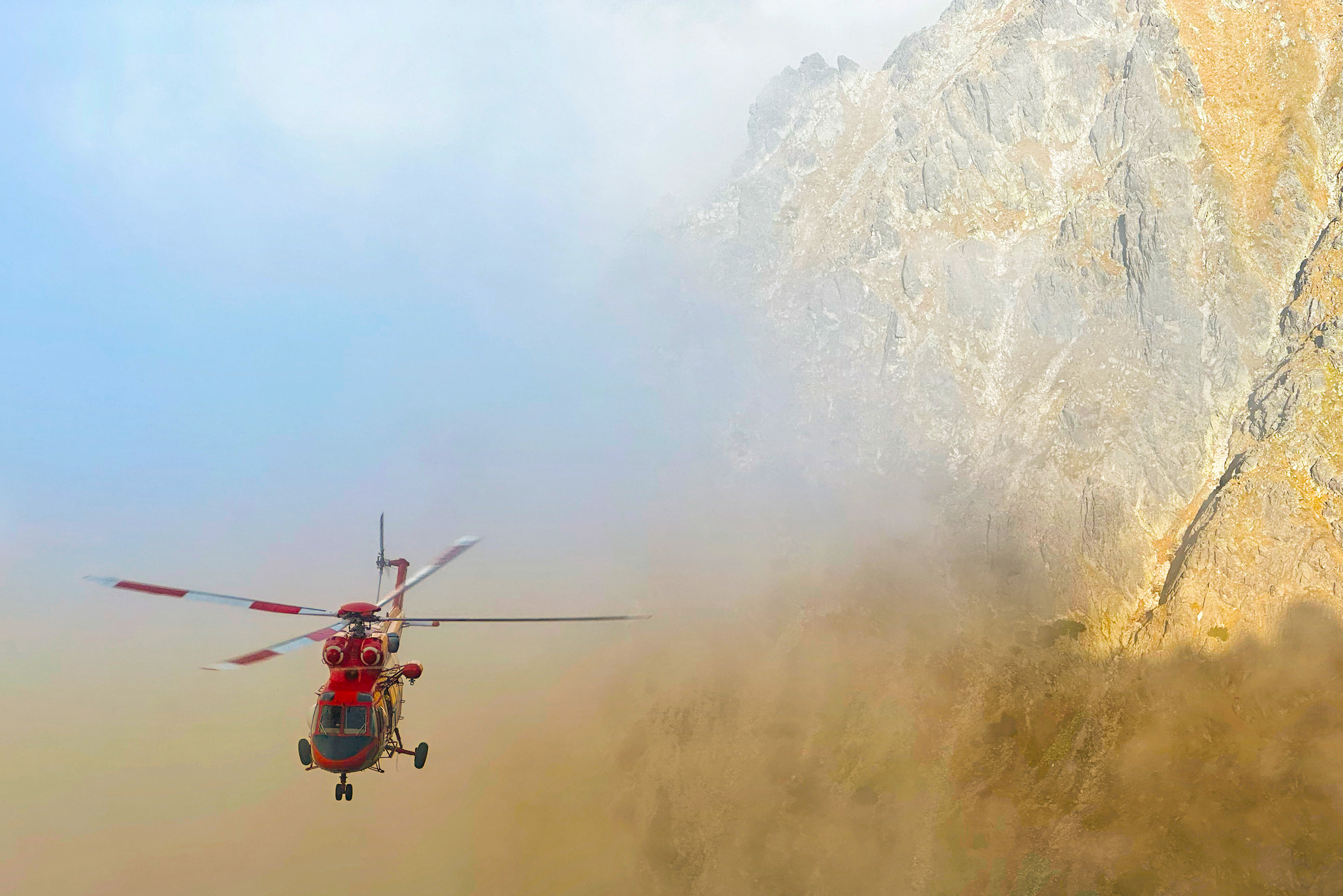
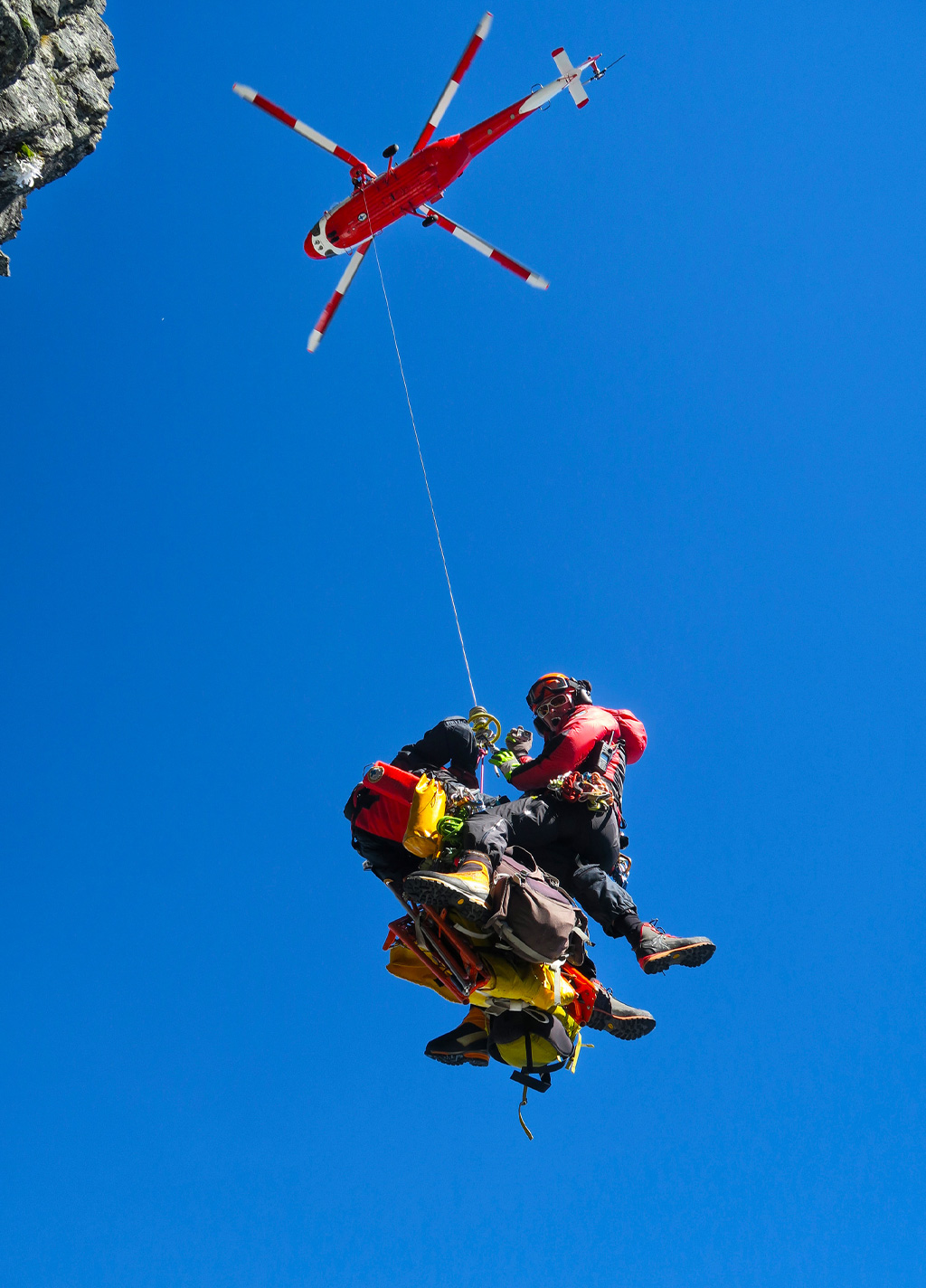
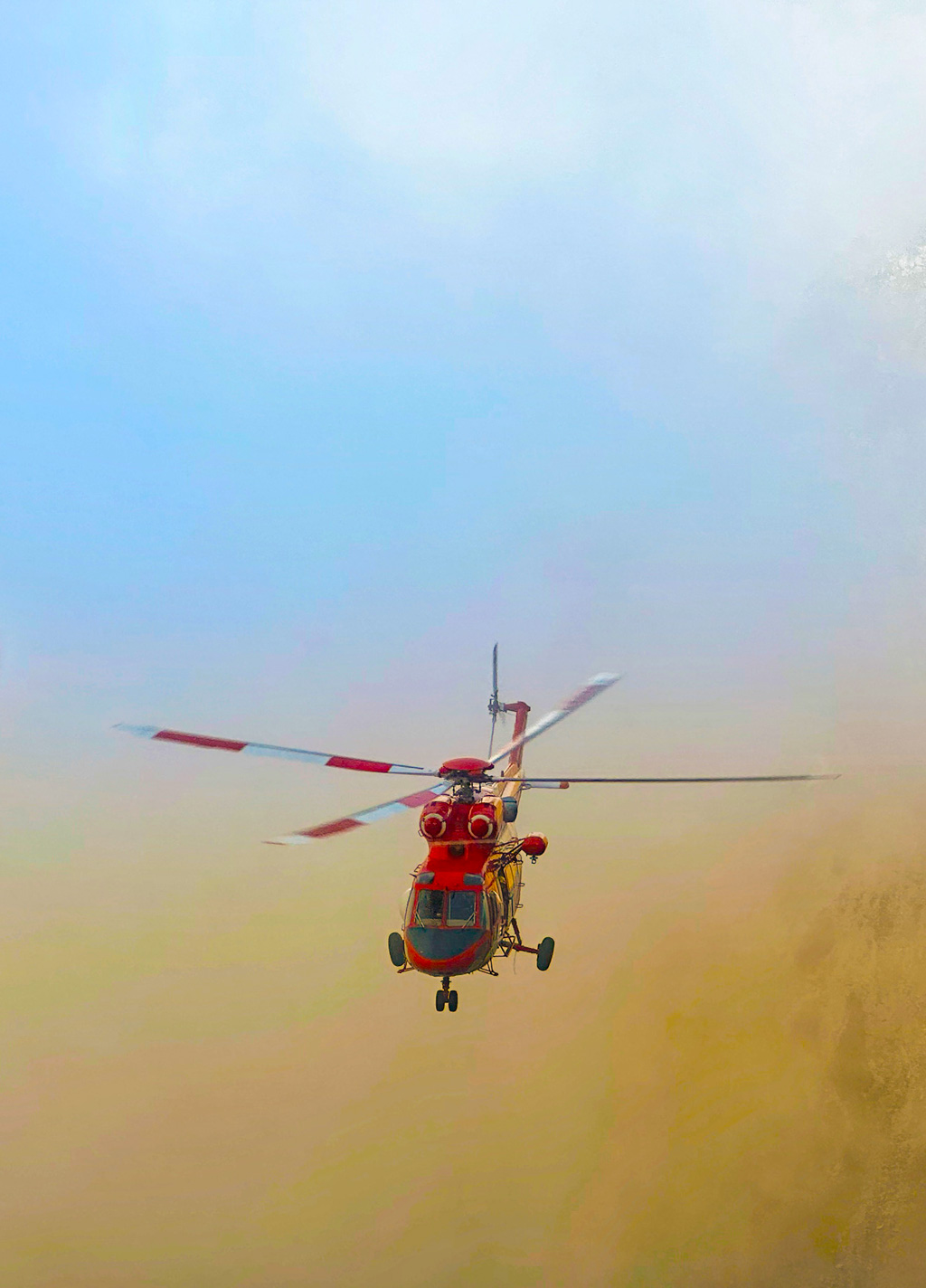
Remember that an approaching helicopter may present danger. The downwash from the rotor may launch the personal items flying and make a standing person lose balance. Make sure that all personal objects in your immediate vicinity are held securely and no one is likely to fall or trip. When the helicopter is nearby it is simply safer to sit or crouch. Before the helicopter is in your immediate vicinity you may signal to the crew that you require (or not) their help.
Raising both hands in the air – to form the letter Y (for YES) – indicates that help is needed.
One hand raised, the other down – forming the letter N (for NO) – indicates that you do not require rescue.
So as not to distract the crew we kindly ask you not to greet them by waving or other similar gestures.
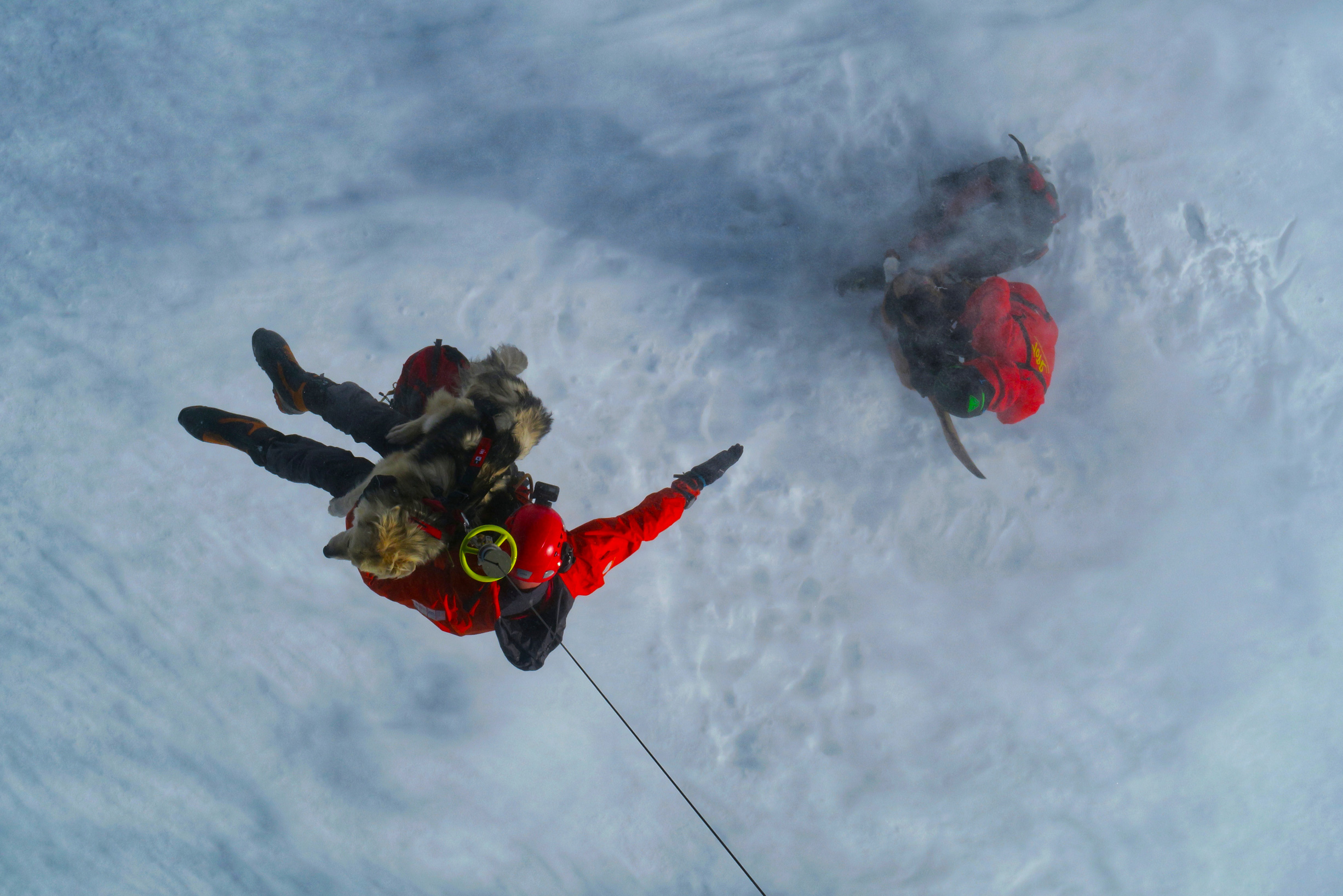
Under no circumstances try to grab the rope deployed from the helicopter!
Information pertaining to current conditions on marked trails are updated daily by the Tatra National Park (TPN) and can be found at: https://tpn.gov.pl/komunikat-turystyczny
Please remember that conditions which are good for some may present deadly threats to others! This depends on mountain experience and competence, possessed equipment, and skills to use it properly.
Good planning is one of the basics of mountain safety. Make sure that the itinerary you have chosen is not too demanding both for you as well as other participants of your trip.
Check the weather and travel conditions in the mountains, observe them during your visit. Establish, using a map or dedication application, the duration of your excursion. Plan it in such a way, so as to be in safe terrain before sunset. Be ready for a sudden change in weather. Have an alternative route, so called “plan B”.
Plan your itinerary well and do not alter it for no reason. In the mountains it is always safer to travel in company, make sure however that the plan suits all members of your group. Adjust the pace to the weakest in the group. Do not separate from the remaining members of your party. Be alert and keep an eye on the weather conditions and other threats.
Additional clothing (including water- and windproof items), medical kit, and headlamp are a must during every season of the year. It is reasonable to have something to eat and drink – you may not encounter a mountain hut, and the water in the streams and ponds may be unsuitable for drinking.
In wintertime and seasons with snow cover present: apart from warm clothing and reliable boots, one should seriously consider additional gear. This includes: crampons and ice axe which allow for safe travel in steep, alpine terrain.
It is not, however, enough to have this equipment with you – you must be able to use it properly! We highly recommend completing specific training before setting out into the mountains.
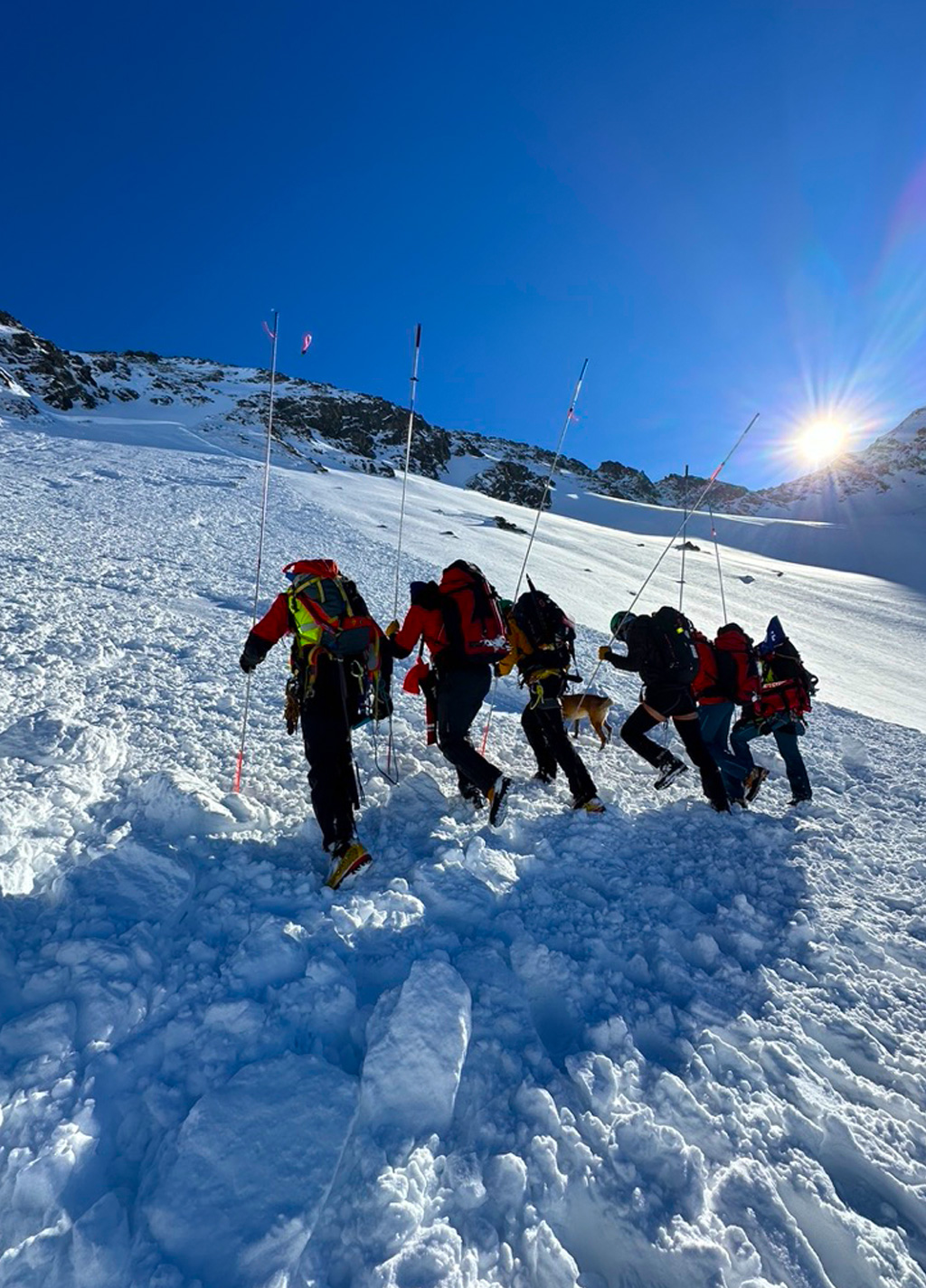
The snow cover very often implies an avalanche danger. Avalanche kit – beacon, probe, and shovel – are indispensable. Similar to crampons and ice axe, skill to use them properly is required!
Full sized mountaineering crampons are used together with an ice axe in alpine terrain. Its usage is not entirely intuitive and requires prior training.
Mini crampons (a.k.a. micro spikes, ice grippers) are small spikes one can put on their hiking shoes or boots. They prevent slippage on icy surfaces or compacted snow. Their usage is simple, but they are not intended for steep and demanding terrain where a fall may have serious consequences!
No, mountain rescue in Polish Tatras (and other Polish mountains) is provided free of charge. The rescues are initiated in all justified situations.
Please keep in mind that many hiking trails in Polish Tatras run along the Polish-Slovak border. In case of fall or wandering off into Slovak territory the rescue action will be provided by Horská Záchranná Služba, Slovak mountain rescue organisation. Their operations are not free of charge. It is highly recommended to purchase an appropriate mountain rescue insurance (including helicopter rescue) when travelling on trails in proximity to the state border.
The main financial input supporting the TOPR operation originates from the Ministry of the Interior and Administration of the Republic of Poland. It constitutes a yearly grant resulting from contract for fulfilment of tasks stated in Act on Safety and Rescue in the Mountains. This money does not finance TOPR as such, but the realisation of the aforementioned tasks: maintaining rescue capability and helicopter operations.
An important portion of money supporting TOPR is 15% of income from sale of entrance tickets to the Tatra National Park. This form in participation in costs of rescue to an extent replaces the payment for rescue operations practiced, among many places, in Slovakia.
Another crucial source of TOPR funding – covering in particular sizable expenses and purchase of rescue equipment – is TOPR Foundation. The monies obtained thus are a result of donation of 1,5 % of income tax by the taxpayer to a public benefit organisation (OPP), i.e. the TOPR Foundation. We encourage you to support the Foundation.
More at: https://fundacja.topr.pl
An important part of TOPR income are our partners and sponsors. These are primarily Polkomtel, operator of PLUS mobile network, BP Polska, Skoda, and PZU.
Stand where you are, assess the surroundings, try to move back to the last known point. If you are unable to return to safety – call for help.
People injured by slipping or falling from their own height constitute the group of the most frequent injuries in Polish Tatras. Falls from significant height are the second cause of accidents in the Tatras. Both these causes result in bodily trauma – from light, through severe, to lethal. In recent years the non-injury related health distresses are gradually becoming more significant cause of TOPR interventions.
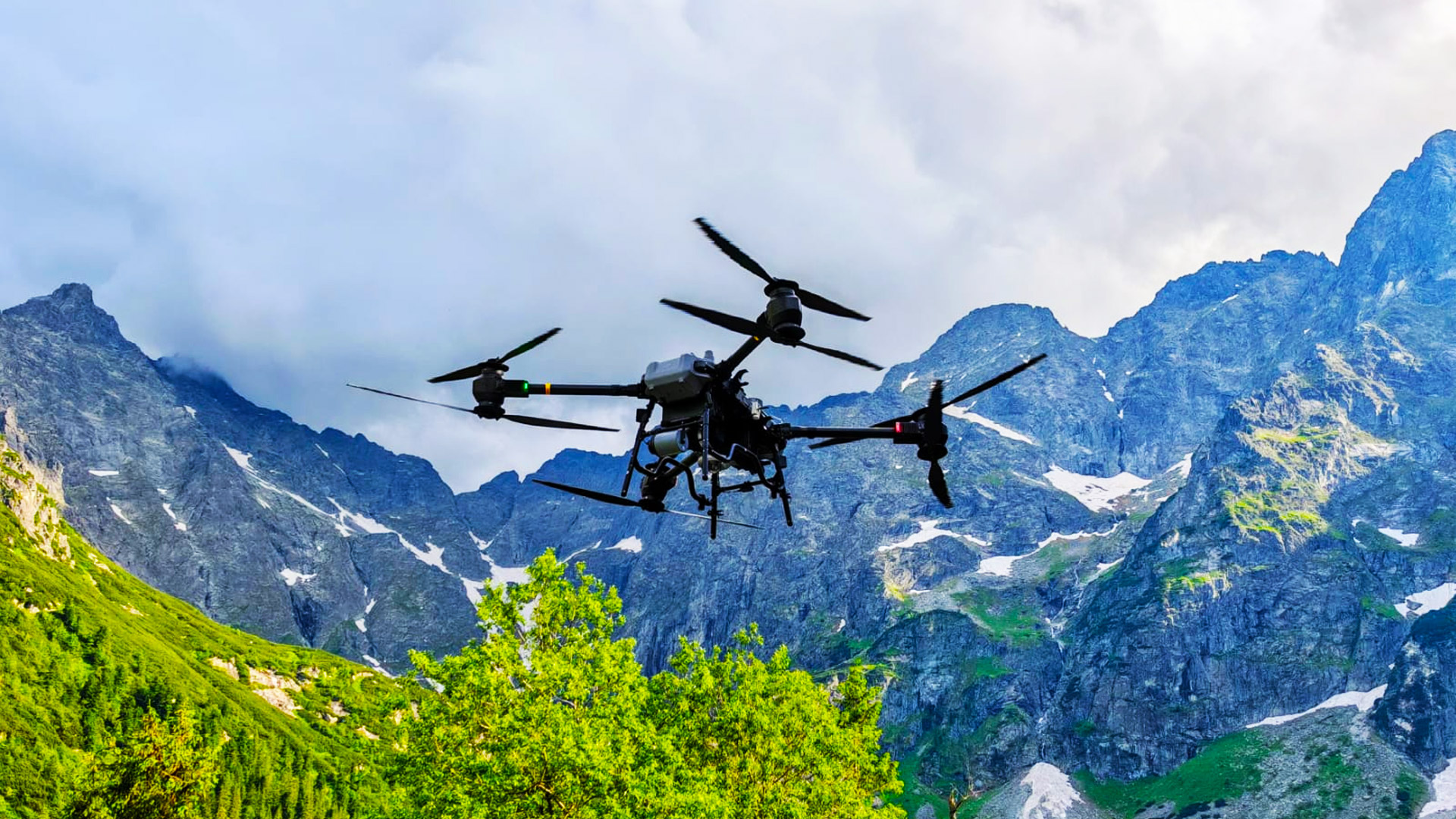
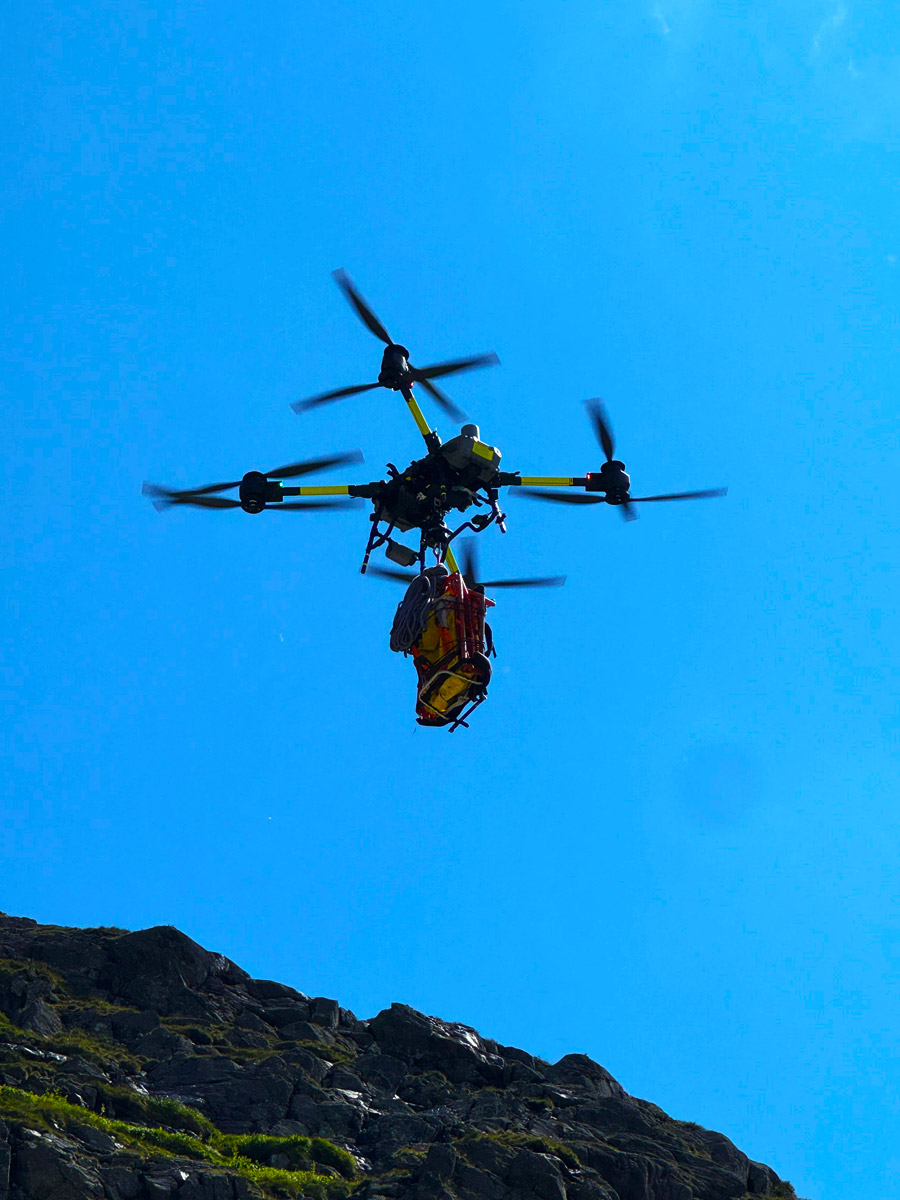
No, without special permission operating a drone is forbidden on the entire area of Tatra National Park.
A person intending to become a TOPR rescuer must have a significant mountain experience supported by a list of completed climbing routes, ski-mountaineering excursions and likewise. Excellent fitness level is required, as well as passing an entry examination. The detailed information is available at: https://topr.pl/jak-zostac-ratownikiem/.
The information is provided in Polish, as the active membership in TOPR is reserved for persons having a good active command of the Polish language.
To a degree, yes. The avalanche bulletin states the avalanche danger on a given day in the Tatras. On some days in winter the bulletin may not be published as the snow cover is insufficient to cause an avalanche. Other threats, such as slippage of fall from height, may still be present.

TOPR in statistics
We encourage you to get acquainted with Tatra Mountain Rescue Service operations statistics.
Each year there are more and more visitors to the Tatras – both experienced hikers, as well as persons who experience the mountains for the first time. Such a dynamic increase in the number of visitors translates into an increase in mountain rescue interventions.
Data collected by TOPR clearly shows that each season rescuers undertake hundreds of missions ranging from medical aid at the site of accident, through complex transport, to search for missing persons in demanding, mountainous terrain.
The statistics reveal not only the bulk of rescuers’ work, but also stress the importance of responsible preparation for the mountain activity.
Our partners